
Is Hormone Therapy Safe in 2026? The Complete Guide to Menopause Relief
/hormone-therapy-safety-2026-fda-guidelines
The FDA just removed its decades-old black box warning on hormone therapy. Here's what changed, who benefits most, and how to know if it's right for you.

Meta description: The FDA just removed its black box warning on hormone therapy. Here’s what changed, who it helps most, and how to know if it’s right for you.
If you’ve avoided hormone therapy because of decades-old cancer warnings, 2026 changes the conversation. In February 2026, the FDA approved label changes removing risk statements related to cardiovascular disease, breast cancer, and probable dementia from the “boxed warning” on six menopausal hormone therapy products — the agency’s most prominent safety warning. This guide breaks down what actually changed, who benefits most, and what to ask your doctor.

Why Hormone Therapy Got a Bad Reputation — And Why That’s Changing
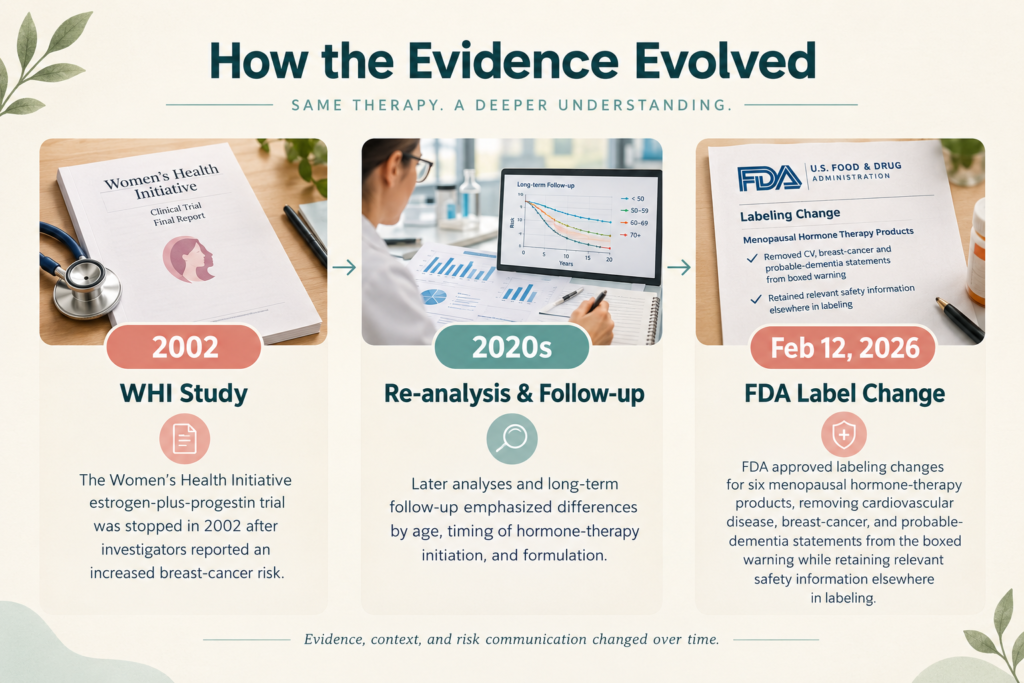
Two decades ago, the Women’s Health Initiative (WHI) study sent shockwaves through the medical community, and millions of women abruptly stopped hormone therapy on their doctors’ advice. But the findings that caused the panic applied to a very specific group: the study primarily enrolled older postmenopausal women with an average age of 63, many of whom were obese or had existing cardiovascular risk factors, using oral conjugated equine estrogen combined with a synthetic progestogen — not the transdermal or lower-dose options common today.
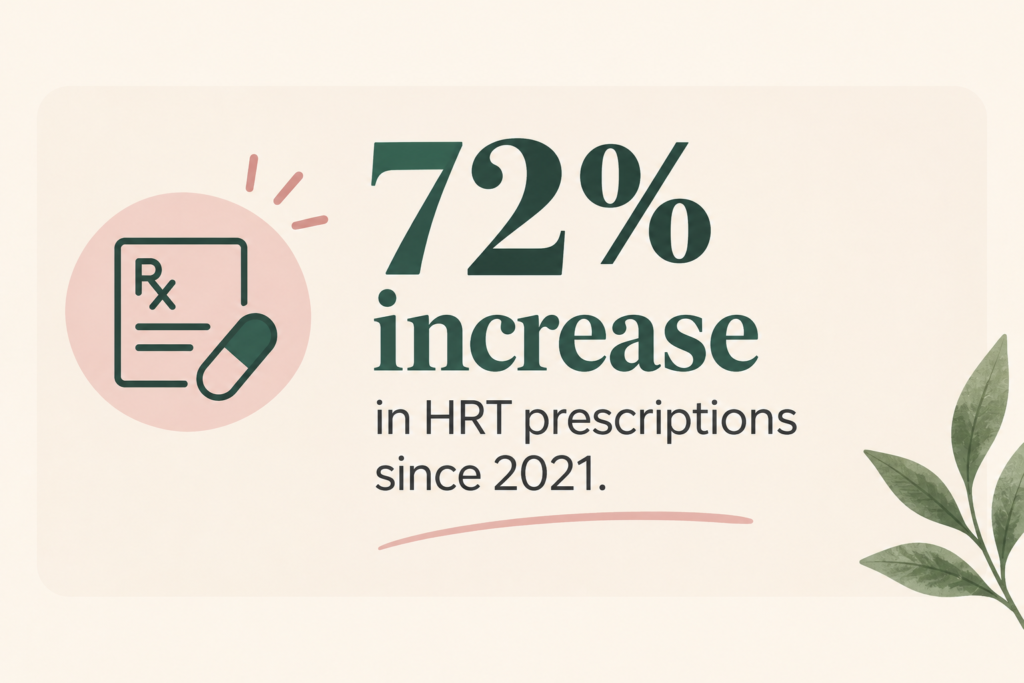
The risks identified were real for that population, in that formulation, in that context — but the warnings were then applied universally, to all hormone therapy, for all women. The FDA’s February 2026 label changes were a formal correction of that overcorrection, and prescriptions for hormone therapy have increased 72% since 2021, with supplies selling out in some areas.
What Actually Changed in 2026
February 2026: The FDA approved removing cardiovascular disease, breast cancer, and probable dementia risk language from the boxed warning on six hormone therapy products. The agency cited data from randomized studies showing that women who start hormone therapy within 10 years of menopause onset — generally before age 60 — see a reduction in all-cause mortality and fractures. Research published in early 2026 found no increased risk of death associated with hormone therapy use, and women who had both ovaries removed between ages 45–54 for non-cancerous reasons saw a 27–34% lower risk of death when using hormone therapy compared to those who didn’t.
Who Benefits Most
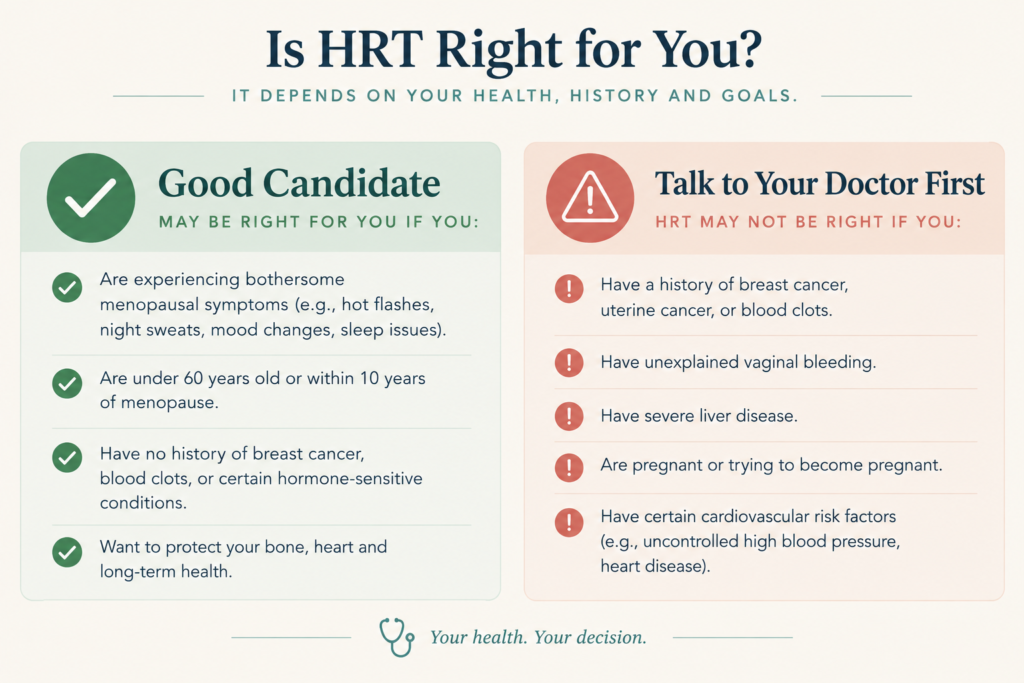
Hormone therapy remains the most effective treatment for hot flashes and night sweats, and also supports bone density and cardiovascular health in appropriate candidates when started within ten years of menopause onset. Most women notice improvements early — better sleep and fewer hot flashes within the first few weeks, mental clarity and mood stability by 1–2 months, and improvements in weight management and overall vitality by 3–6 months.
Who should be cautious:
Women with a history of hormone-sensitive cancers, blood clots or stroke, uncontrolled high blood pressure, or active liver disease should discuss risk carefully with their doctor — though even with these risk factors, therapy may still be an option depending on individual circumstances
Bioidentical” vs. Synthetic: What’s the Difference?
Bioidentical” simply means the hormone’s molecular structure matches what your body naturally produces, as opposed to synthetic formulations like those used in the original WHI study. Bioidentical progesterone in particular may carry a lower breast cancer risk than synthetic versions, according to more recent research.

Frequently Asked Questions
The science on hormone therapy has shifted substantially since the 2002 WHI scare — and the FDA’s 2026 label changes reflect that. For many women, especially those within 10 years of menopause onset, it remains the most effective option for hot flash relief, sleep, and quality of life. The decision is individual and should be made in partnership with your doctor based on your symptoms and health history.
This article is for informational purposes only and is not a substitute for professional medical advice. Always consult your doctor before starting or stopping any hormone therapy.